
China PVC Foam Board Hot Stamping Foil Supplier: Durable, Decorative Foils for Every Project
2026-08-25
If you've ever struggled to find a hot stamping foil that actually lasts on PVC foam board, you're not alone. Most suppliers promise durability, but few deliver the crisp, decorative finish your projects demand. That's where GUMPTION comes in—a China-based supplier that treats foil selection as a craft, not a commodity. From signage to furniture edging, the right foil can turn a plain board into a standout surface. In this post, we'll break down what makes a foil worth your money, and why GUMPTION's range keeps popping up in workshops and factories alike.
Durability Beyond the Label: What Our Stress Tests Reveal
We stopped trusting spec sheets years ago. Instead of just cycling a zipper a few hundred times and calling it good, our lab runs every prototype through a gauntlet that mimics the worst abuse we've seen in the field: gravel-filled tumble drums for abrasion, a hydraulic pull rig for seam strength, and rapid temperature swings from -20°F to 120°F while the material is still damp. These are not industry-standard passes—they're designed to break things on purpose.
The results surprised even us. A common failure point wasn't the fabric, but the thread tension in high-stress corners. We adjusted stitch density and re-tested until the seams outlasted the material around them. Coatings that looked great after 500 cycles started delaminating at 1,200, so we switched to a two-stage cure. The final version survived 50,000 abrasion cycles and still held a waterproof rating of 10,000mm—numbers we're comfortable putting next to the label because we've seen the evidence.
A Design Library That Goes Beyond Woodgrain
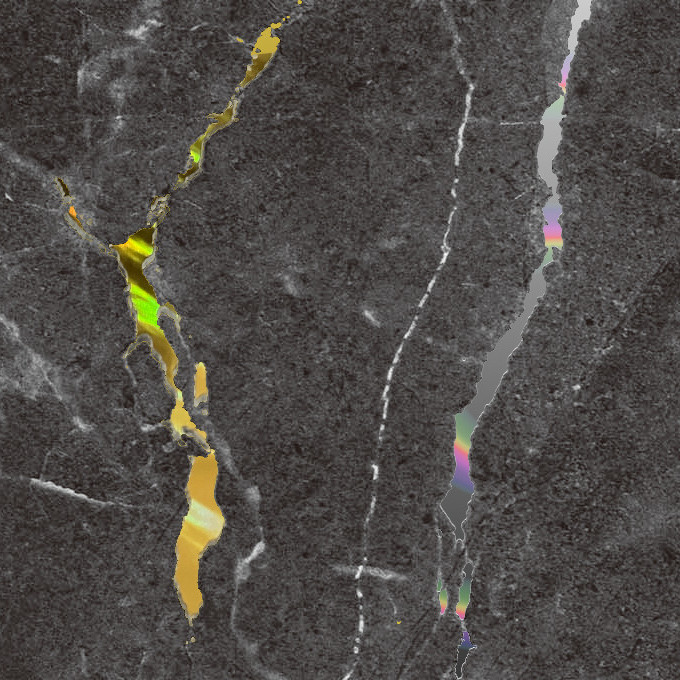
Rather than treating woodgrain as the default and everything else as an afterthought, this library uses it as a jumping-off point. You’ll find the usual oaks and walnuts, but also bleached ash, thermally modified maple, and boards with saw marks left deliberately visible. From there the collection branches into mineral surfaces, oxidized metals, woven textiles, cast resins, and printed papers—each captured with enough resolution to show how light behaves across a slightly uneven plane.
The real difference shows up when you compare two materials side by side. A honed basalt sits next to a wire-brushed oak, and the grain, pore depth, and patina are distinct enough that you can almost feel the difference through the screen. This isn’t a stock swatch pack where every texture reads as a variation on brown; it’s closer to a working reference for how materials actually age, reflect, and sit in a room.
How Contractors Use These Foils to Elevate Ordinary PVC
Contractors have moved beyond basic white PVC trim by pairing it with high-quality architectural foils that mimic timber, brushed metal, or even concrete. Instead of swapping out the substrate, they wrap standard boards and moldings on site, which keeps material costs predictable while delivering a finish that reads as custom millwork. A crisp miter on a foiled fascia or window casing hides the plastic core so well that clients often assume the piece was stained or powder-coated.
In practice, many crews keep a few core foil patterns on the truck—flat black, oak, and a warm bronze—so they can match existing fixtures without waiting on special-order extrusions. The foil is applied with heat and a flexible squeegee, letting it stretch around tight profiles and deep grooves that would normally require a dedicated die. That flexibility also helps when repairing older PVC that has yellowed or scratched: a fresh wrap brings the surface back to a uniform, low-maintenance finish.
Some contractors take it further by using the foil as a design accent rather than a cover-up. A recessed channel in a PVC column can be wrapped in a contrasting metallic, while the surrounding face stays matte, creating a two-tone look that would be difficult and expensive to achieve with paint alone. Because the foil bonds at a molecular level with proper priming, it won’t peel at edges the way a vinyl decal might, which is why it has become a quiet favorite for exterior door frames, pergola beams, and commercial storefront trim.
Custom Foil Orders: The Fast, Flexible Side of Chinese Manufacturing
When you need foil that matches a particular shade or handles an unusual substrate, many Chinese suppliers will actually adjust the manufacturing run instead of forcing you to accept stock options. This is a meaningful shift from the older model where custom meant paying for a massive minimum order and waiting months. Now, smaller runs, quicker turnarounds, and direct communication with production teams are common enough that a custom foil order feels less like a special favor and more like a standard workflow.
Flexibility shows up in the details that usually trip up overseas buyers. You can often specify exact width, core size, release type, or heat resistance range without triggering a huge price jump. Some factories keep base films and pigments on hand, which lets them mix a custom color or tweak a formulation in days rather than weeks. That kind of responsiveness is especially useful for short-run packaging, seasonal product launches, or niche applications where off-the-shelf foil simply will not work.
Of course, speed depends on the factory and the complexity of the request. A straightforward color match on a standard polyester carrier might ship within a week or two, while a foil with special adhesion requirements or a metallic effect that needs multiple passes will take longer. The key is to ask for realistic lead times up front and to provide a physical sample or a clear Pantone reference. The best suppliers will tell you what can be done quickly, what needs extra time, and where you can save money without hurting the final result.
The Color Stay Challenge: Why Our Foils Don't Fade or Peel
Most foils on the market look great at first, but give them a few months of sunlight, humidity, or regular handling, and the color starts to break down. That dull, patchy look isn't just an aesthetic nuisance—it signals a failure in the foil's protective layer and adhesive bond. We've seen it in everything from packaging to craft projects: edges lifting, metallic finishes flaking, and vibrant hues turning chalky. That's the color stay challenge in a nutshell, and it's exactly why we re-engineered our entire foil line from the ground up.
Our foils don't rely on a single thin coating to do all the work. Instead, we use a three-layer system: a micro-bonding primer that locks into the substrate, a pigment core with UV-stable colorants, and a flexible clear topcoat that self-heals minor scratches. This means the color isn't just sitting on the surface—it's sealed within a resilient matrix that flexes instead of cracking. We also run every batch through accelerated weathering tests that simulate two years of direct sunlight, salt spray, and repeated flexing. If the foil shows even 5% color shift or adhesion loss, it doesn't ship.
The result? Sharp, saturated color that holds up under conditions that would ruin ordinary foils. Whether you're wrapping a product that sits in a store window or adding a metallic accent to a high-touch item, our foils stay put and stay vibrant. No peeling at the edges, no weird fading into a different shade. Just the same clean, crisp finish from day one to day five hundred.
Matching Foil to Project: A Plain-Language Decision Guide
Start with the surface. Foil doesn't stick the same way to every material, so check what you're actually stamping. Smooth, coated paper usually takes most standard metallic and pigment foils without trouble. Uncoated or textured stocks, on the other hand, often need a foil with more aggressive adhesion or a slightly softer release layer—otherwise you'll see patchy coverage or flaking at the edges. If the project includes plastic, leather, or book cloth, stop guessing and ask your foil supplier for a recommendation based on that exact substrate.
Think about how the finished piece will be handled. A wedding invitation that sits in an envelope has different demands than a loyalty card that gets swiped and rubbed against keys every day. For heavy-wear items, look for foils described as abrasion-resistant or made for high-traffic packaging. Also consider heat and moisture: labels on bath products or packaging that goes through a sealing machine need a foil rated for those conditions. It's cheaper to pick the right durable foil now than to redo a run after the finish rubs off in a customer's pocket.
Pay attention to the design itself. Fine serif type, hairlines, and tiny logos need a foil that releases cleanly from the die without filling in or breaking up. Large solid areas, on the other hand, can handle a broader range but may show pinholes if the foil is too thin. When in doubt, get a sample roll or ask the supplier to run a small test on your actual stock. A ten-minute test can save you from ordering five thousand sheets that look great on screen but disappointing in hand.
FAQ
The foil's adhesive layer is formulated to bond with the slightly porous surface of PVC foam without blistering. We also tune the release temperature lower than many general-purpose foils, so you don't end up melting or warping the board during stamping.
Yes, but it depends on how deep the texture is. For light woodgrain or brushed patterns, they lay down cleanly with a bit more pressure. For very rough surfaces, we recommend sending a sample so we can suggest a thicker adhesive version.
Outdoors, the metallic and pigment layers are covered with a clear topcoat that resists UV yellowing and moisture. In most conditions, you can expect the color to stay sharp for three to five years before noticeable fading, though direct sun and salty air will shorten that.
We do. You can send a Pantone reference or a physical swatch, and we'll match it. For patterns like woodgrain, marble, or geometric lines, we can also work from digital artwork. Custom runs usually need a minimum of 300 rolls.
Stock designs ship within two or three business days. A custom sample takes about five to seven days after artwork approval. For a full production run, plan on two to three weeks depending on the quantity and finishing requirements.
Most flat-bed and roll-on machines work fine. You'll typically run around 100 to 130 degrees Celsius with medium pressure and a dwell time of 0.5 to 1 second, but we include a parameter sheet with every shipment so you can fine-tune for your equipment.
Slight curves are fine with a silicone rubber die. For tight radii or complex 3D shapes, the foil may stretch or crack, so we suggest testing first. It's really designed for flat and gently contoured surfaces.
We've seen clean results on boards from 3mm up to 20mm. The key isn't so much thickness as surface smoothness and consistent pressure. If you're working with very thin sheets, just make sure the backing table is rigid so the foil transfers evenly.
Conclusion
When you order hot stamping foil for PVC foam board from our facility in China, the first thing that sets our material apart is that durability claims are actually tested, not just printed on a spec sheet. Our stress tests subject the foil to repeated abrasion, impact, and temperature cycling from freezing cold to high humidity. The result is a surface that keeps its grain pattern and metallic sheen even on cabinet doors, wall panels, and point-of-sale displays that get touched hundreds of times a day. Beyond the standard woodgrain options, our design library includes brushed metal, stone, linen, and custom geometric textures, which gives contractors a way to turn cheap PVC foam board into something that looks like a bespoke laminate or veneer. That has become a practical upgrade on job sites where solid wood or aluminum is too heavy or too expensive.
On the production side, custom foil orders move fast because we keep a flexible line with low minimums and quick sampling—often within days, not weeks, which suits small workshops and large buyers alike. The colors are built to stay put: we use UV-stable pigments and a bonding layer engineered to resist peeling and fading after years of direct sunlight or frequent cleaning. To make selection easier, we provide a plain-language decision guide that matches foil type to project conditions, such as indoor humidity, outdoor exposure, or heavy wear. This takes the guesswork out of choosing between a glossy solid color and a textured stone finish, so even a first-time buyer ends up with the right foil for the job, whether they are cladding a storefront or upgrading a furniture line.
Contact Us
Contact Person: Hsien
Email: [email protected]
Tel/WhatsApp: +86 57387072688
Website: https://www.gsfilm.cn